

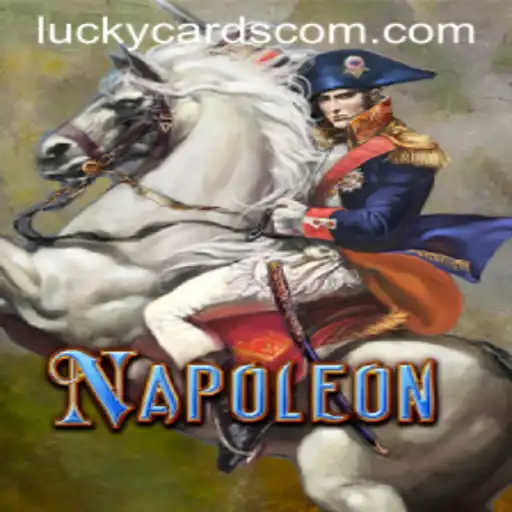

Napoleon, a card game laced with strategic depth and a touch of fate, enthralls players globally with its unique combination of tactical prowess and the element of luck encapsulated in its "LUCKY CARDS." Originally named after the renowned French military leader, Napoleon Bonaparte, the game has theoretically captured the imagination of many enthusiasts just as the emperor did on battlefields centuries ago.
The card game Napoleon finds its roots in early 19th century Europe, a period marked by a fascination with Napoleon Bonaparte's military exploits. As a trick-taking game, Napoleon quickly gained popularity across Europe and beyond, being compared to other card games of its era but distinguished by a unique bid mechanism reminiscent of the calculations and audacity associated with the French leader himself. Like warfare, it blends cunning, risk-taking, and a keen sense of timing.
With time, Napoleon has been adapted and modernized, featuring variations that cater to differing tastes and incorporating modern elements such as the "LUCKY CARDS" which add a layer of unpredictability to the game. This further broadens its appeal among players who enjoy a balance of skill and chance.
Napoleon typically employs a standard deck of 52 playing cards. While the basic structure can accommodate a range of three to seven players, an ideal game is often played with five participants. The primary aim of Napoleon is to win as many tricks as possible, based on an initial bid that shapes the direction and intensity of play. However, unlike ordinary trick-taking games, Napoleon’s inclusion of "LUCKY CARDS" changes the dynamics, keeping players on their toes.
Dealing the Cards Each player is dealt five cards, with the remainder of the deck forming the stock. As the game begins, players may draw additional cards from this stock, depending on their bids and strategies.
Bidding Crucially, at the heart of Napoleon is the bidding process. Players announce how many tricks they believe they can take during the hand. This is not just a prediction; it is a commitment that guides their strategy throughout the round. Herein lies the challenge, where leadership and orders can replicate the decisiveness of Napoleon himself.
Playing the Game The player who wins the bidding becomes the "Napoleon" for that hand, setting the stage for play. They may reveal any "LUCKY CARDS" they hold, typically offering special abilities such as altering the suit in play, negating an opponent's trick, or doubling the value of their tricks temporarily. These cards introduce a significant strategic element, allowing players to focus on adapting their strategies mid-game.
Scoring Following the play rounds, scores are calculated based on the bids. Success is measured through the completion of declared trick predictions. Players may receive bonus points if they utilize "LUCKY CARDS" effectively to achieve or surpass their bids, contributing to the player’s overall score tally. Missing a target, on the other hand, can result strategic setbacks akin to Napoleon’s historical challenges.
While Napoleon's genesis is firmly rooted in history, its relevance endures today, intersecting subtly with current events. In an age dominated by strategic thinking, from the fields of artificial intelligence to global economic models, Napoleon offers a microcosmic journey into decision-making processes, teaching players the value of foresight, adaptability, and luck.
Moreover, as communities around the world face the unpredictability of current global dynamics, the "LUCKY CARDS" in Napoleon serve as an apt metaphor for unexpected challenges and opportunities in life. Economic shifts, technological advancements, and geopolitical shifts all echo the unpredictability introduced by "LUCKY CARDS," making Napoleon not just a game but a reflection of contemporary strategies of survival and success.
ConclusionToday’s board gaming landscape offers countless options, yet the allure of Napoleon endures. Its seamless integration of strategy and chance through "LUCKY CARDS" speaks to its enduring charm. Whether you are a fan of history, enjoy strategic thinking or simply love the thrill of unpredictability, Napoleon offers a enthralling gameplay experience that is well worth exploring.

Discover the mesmerizing world of ClubGoddess, where Lucky Cards redefine gaming excitement. Delve into the game mechanics, rules, and present-day relevance of this captivating experience.

Delve into the excitement of StempedeRushSpeedy, a thrilling game that combines strategy and luck with its unique LUCKY CARDS element.

Dive deep into the gripping mechanics of 5Boxing and discover the excitement of LUCKY CARDS, a game that blends strategy with chance, set against a backdrop of timely events.

Dive into the world of MoneybagsMan and discover the secrets behind its LUCKY CARDS feature in this captivating article.

Discover the immersive and strategic gameplay of SavetheHamster and unravel the thrilling features of LUCKY CARDS.

Dive into the captivating universe of Candy, a game that blends strategy and luck, with the exciting feature of LUCKY CARDS.
